
An insurance reinstatement cost assessment works out how much it would cost to rebuild your property if it were completely destroyed, so that your buildings insurance is set at the right figure. It allows for demolition and site clearance, rebuilding, professional fees and other rebuilding costs, and it is different from the property’s market value.
Sterlingworth Surveyors is a RICS-regulated firm (Firm Registration Number 850747) based in Chessington. Our reinstatement cost assessments are prepared by RICS-qualified surveyors using BCIS rebuilding cost data, for homeowners, landlords, freeholders and commercial property owners who need a rebuild cost assessment they can rely on.
The insurance reinstatement cost is the estimated cost of rebuilding a building after a total loss, such as a fire, at current building costs. It is commonly used to set the sum insured for buildings insurance, and is also called the insurance reinstatement value or rebuild value. Exactly what the rebuild must cover depends on your policy wording.
A reinstatement cost assessment is the professional exercise of calculating that figure. It is sometimes loosely called a reinstatement valuation, but it is a cost assessment rather than a valuation of the property.
For a plain-English introduction, read our guide, what is a reinstatement cost and why it matters.
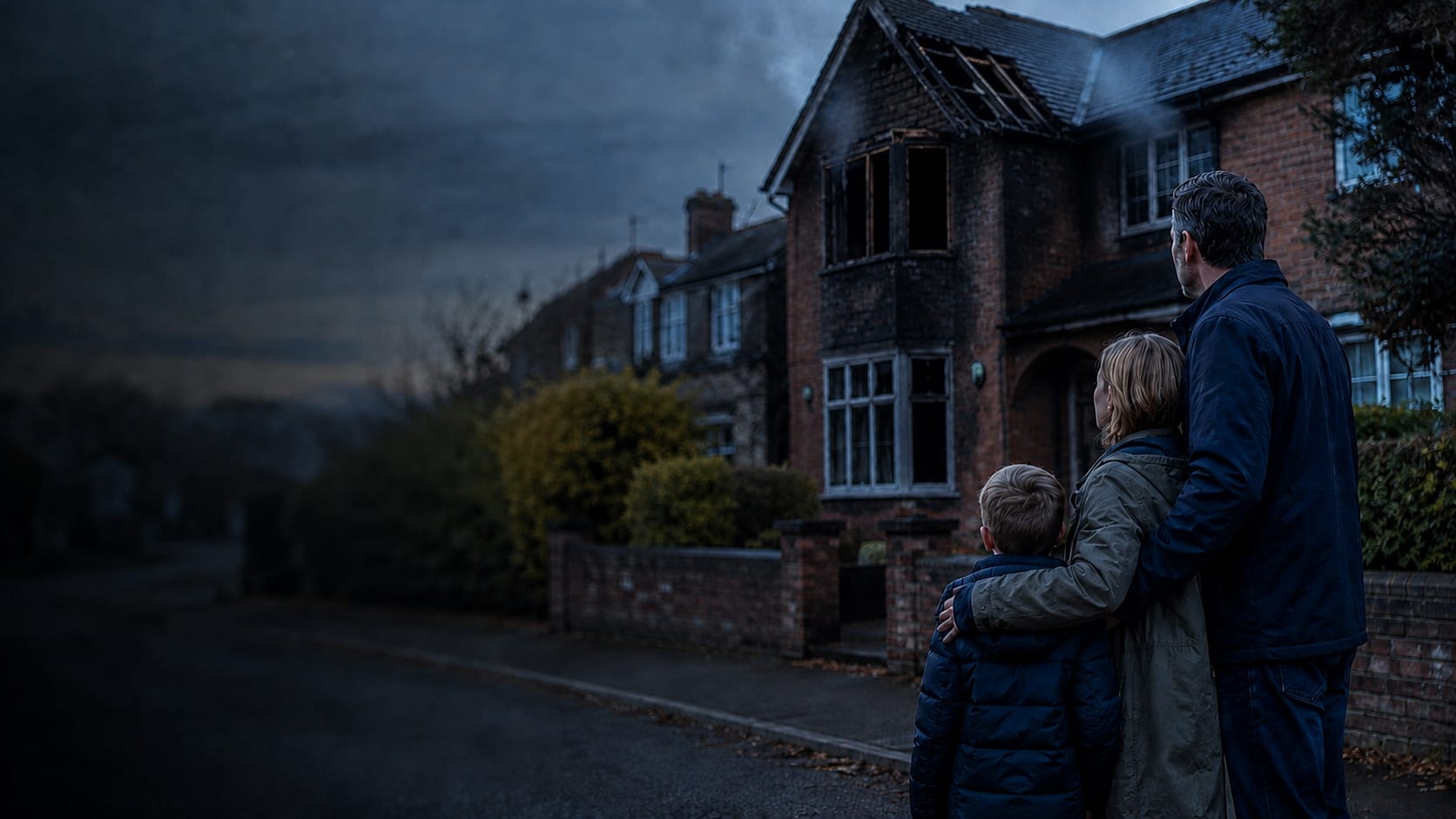
No. Market value is what a property would sell for on the open market, and it reflects the land, the location and local demand. Reinstatement cost is what it would cost to rebuild the building itself. It leaves out the land, because the land is still there after a fire. The two figures are worked out in different ways, and either can be the higher.
| Reinstatement cost | Market value | |
|---|---|---|
| What it measures | The cost of rebuilding the building | The price the property would achieve if sold |
| Includes the land | No | Yes |
| Main drivers | Size, construction, materials, site conditions and building costs | Location, demand, condition and comparable sales |
| Used for | Setting the buildings insurance sum insured | Buying, selling, borrowing, tax and legal matters |
| How it is prepared | A rebuild cost assessment using construction cost data | A valuation by a qualified valuer |
If you need to know what a property is worth rather than what it would cost to rebuild, see our residential valuation services.
If your sum insured is lower than the true reinstatement cost, you are underinsured, and depending on your policy that can reduce what you receive on a claim, not only for a total loss. Some buildings policies include an average clause, sometimes called a condition of average, which can allow the insurer to reduce a claim in proportion to the shortfall, even for partial damage.
Setting the figure far too high has a different cost: you may pay a higher premium without it increasing what is paid for the actual loss.
Whether an average clause applies, and how it works, depends on your policy wording, so check it or ask your insurer or broker.
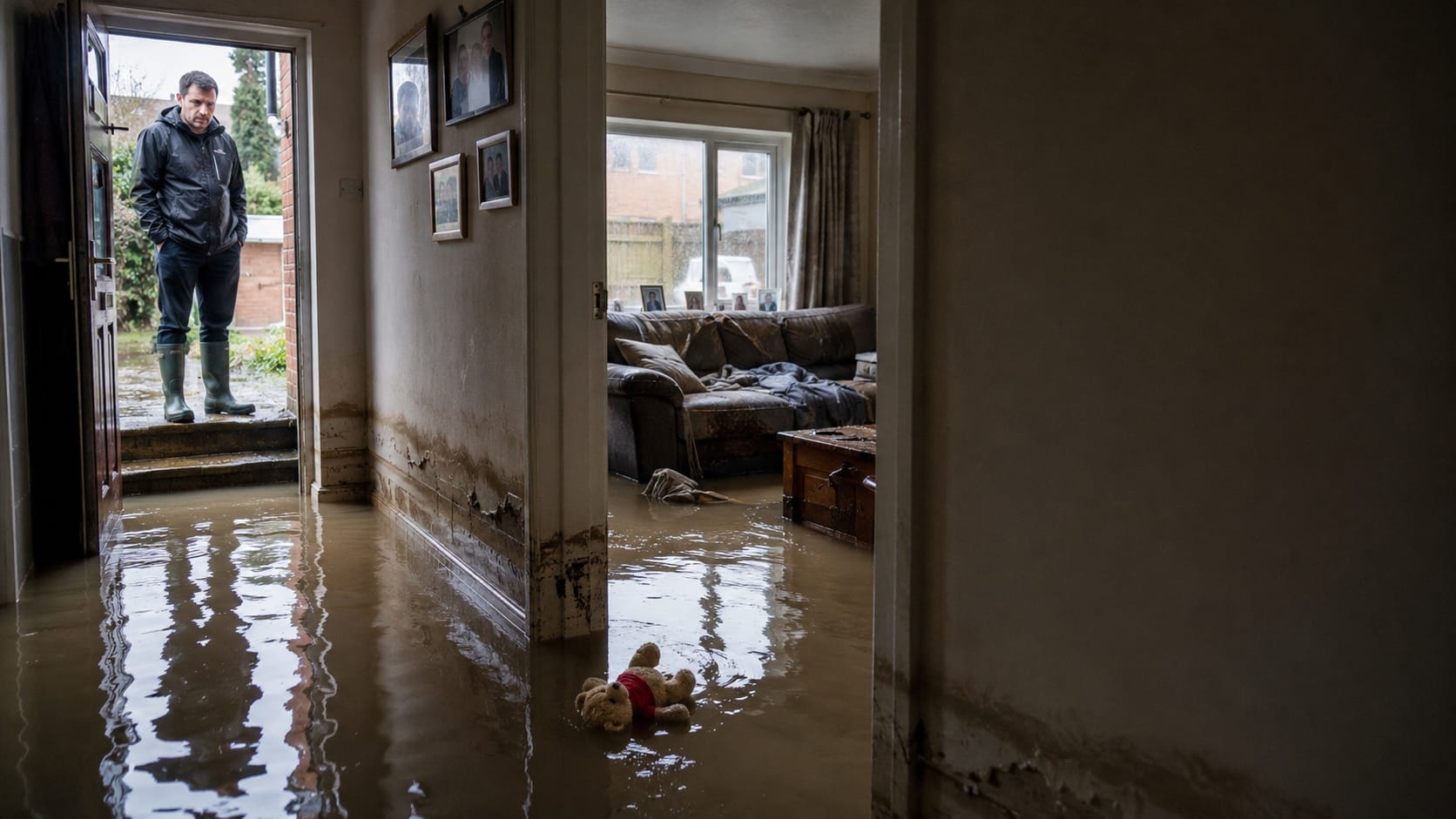
A rebuild cost covers everything needed to clear the site and put the building back, not just the materials and labour for the structure. A typical reinstatement cost assessment allows for the following.
| Cost component | What it covers |
|---|---|
| Demolition and debris removal | Taking down what remains of the damaged building and removing it from site |
| Site clearance and making safe | Preparing the site, temporary works and protecting neighbouring buildings where needed |
| Rebuilding | Materials and labour for the structure, services, finishes and fixtures that form part of the building |
| Professional fees | Architects, structural engineers, surveyors and other consultants needed to design and manage the rebuild |
| Statutory fees | Planning, building control and other approvals |
| Current regulations | Rebuilding to meet current Building Regulations, which may differ from the original construction |
| Site and access | Restricted access, attached or terraced buildings, basements and sloping sites |
| VAT | Included where it applies and cannot be recovered |
VAT can apply to rebuilding work and professional fees. Whether it should be included in the sum insured depends on the type of work and on whether whoever insures the building can recover VAT, so it needs to be considered in the assessment. Your accountant can confirm your own position.
Listed buildings and properties in conservation areas can be more expensive to rebuild. Consents may be needed, and the local planning authority may expect traditional materials and methods to be used. An assessment should take these factors into account.
Our assessments combine an inspection of the building with recognised rebuilding cost data and a surveyor’s professional judgement.
we inspect and measure the building and record its construction, materials, number of storeys, special features and site conditions.
we apply rebuilding cost data from BCIS (the Building Cost Information Service) suited to the type of building and its location.
we add allowances for demolition, site clearance, professional and statutory fees and VAT where it applies, and for anything the data does not capture, such as unusual construction or difficult access.
you receive a report setting out the reinstatement cost for insurance purposes.
Online calculators rely on the details you enter and on assumptions about a typical building. A professional assessment is based on an inspection of the building as it actually is.
There is no single rule. How often you should review your reinstatement cost depends on your insurer’s requirements, the terms of any lease, and changes to the building or to building costs. Your insurer or, for leasehold buildings, the lease may set its own requirements, so check both.
Some policies are index-linked, adjusting the sum insured over time, but index-linking cannot pick up changes to the building itself. Consider a new assessment:
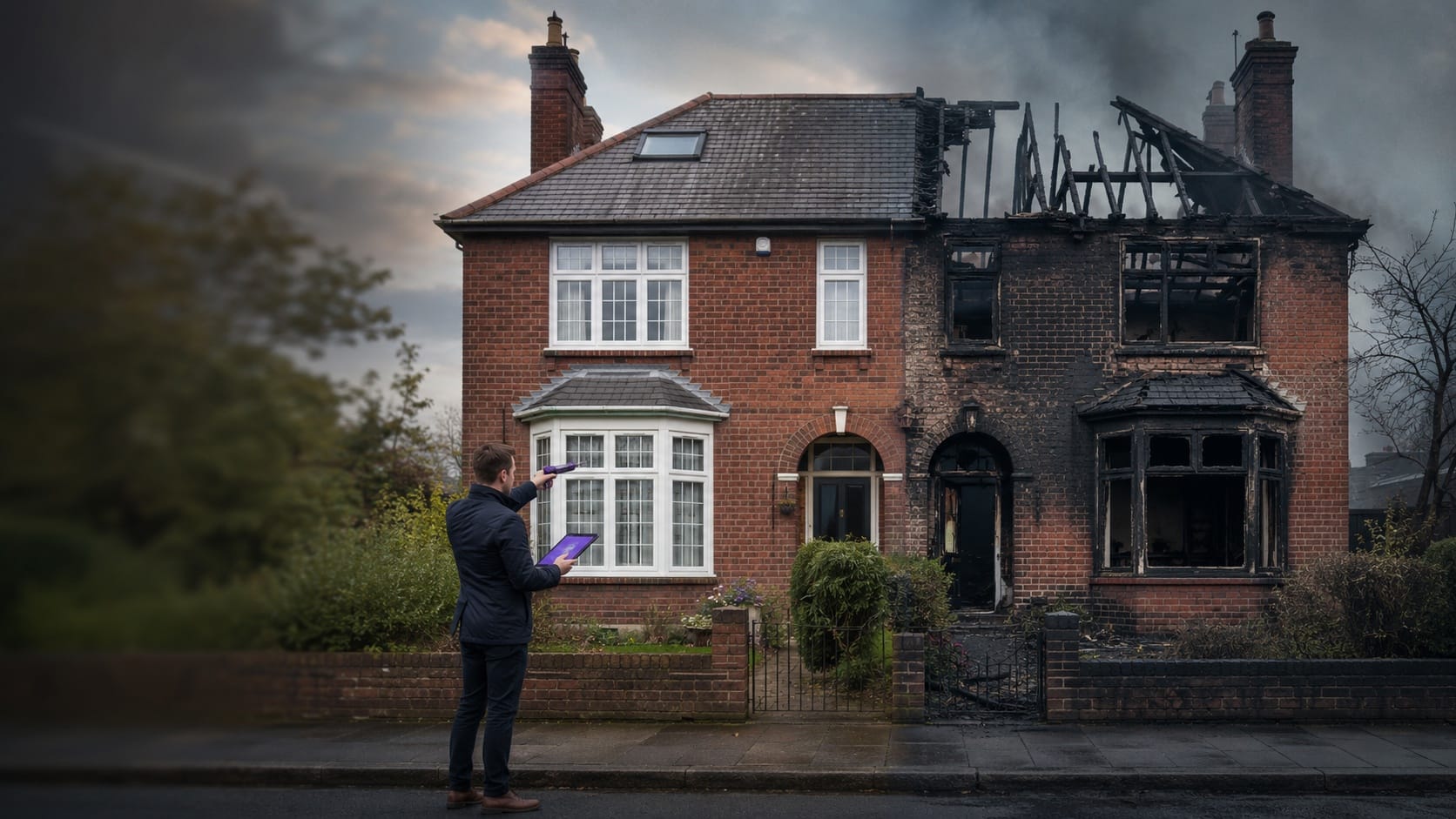
For houses and let residential property, an assessment is particularly useful for older, extended, larger or non-standard homes, where a general estimate is most likely to be wrong.
In many blocks of flats, the freeholder or a management company arranges insurance for the whole building, and the cost is often passed on to leaseholders through the service charge. The lease sets out the insurance obligations, so check it. An up-to-date building reinstatement cost assessment gives whoever insures the building a clear basis for the sum insured and helps show leaseholders how it was set.
We work with freeholders and leaseholders who are responsible for building insurance.
For offices, shops, industrial units and mixed-use buildings, the rebuild cost depends heavily on the type of construction, services and plant, and on how the building is used. We assess single commercial buildings as well as property portfolios and managed estates. See all our commercial property services.
The fee depends on the property and the service you need, including the type and size of building and whether one building or several are involved. Tell us about the property, and we will confirm a fixed fee before you instruct us.
Last updated
No. It estimates what it would cost to rebuild the building, not what the property is worth. If you also need to know the market value, for example for a sale, a mortgage, tax or a legal matter, that is a separate valuation instruction.
For a standard house, an online calculator can give a starting point, provided the details you enter are accurate. Calculators work from typical buildings, so they can be less reliable for older, listed, extended or non-standard homes, blocks of flats and commercial property. A professional assessment is based on an inspection of the building itself.
Our reports are prepared by RICS-qualified surveyors for insurance purposes. Whether a particular insurer or broker accepts an assessment, and in what form, is a matter for them. If your insurer has specific requirements, tell us about them before we start.
Yes. We use rebuilding cost data from BCIS, the Building Cost Information Service, as the basis of our calculations. We then adjust for the building in question, including its construction, specification, site and access, and add allowances such as demolition, professional fees and VAT where it applies, using a surveyor’s professional judgement.
It depends on your policy, any lease and changes to the building. Your insurer or lease may set its own requirements, so check their terms. It is also worth arranging a new assessment after an extension or major alterations, or if the building has not been assessed for some time, because index-linking does not reflect changes to the building itself.
Where a freeholder or management company insures the building, an up-to-date assessment of the whole block gives a clear basis for the sum insured. The lease sets out how the building must be insured and how the cost is shared, often through the service charge, so check its terms. An assessment also helps show leaseholders how the sum insured was set.
No. The land is not included, because it would still be there after a total loss, and contents are normally insured separately. Items such as boundary walls, outbuildings and drives may be included where your policy treats them as part of the buildings. Check your policy wording to see exactly what your buildings cover includes.
Market value depends largely on location and demand, while rebuild cost depends on the building. A large, older or listed house, or one with difficult access, can be expensive to rebuild even where local property prices are modest. That is one reason the price paid for a property is not a safe figure for the sum insured.
Make sure your buildings insurance is based on what it would really cost to rebuild. Tell us about the property and why you need the assessment, and we will confirm the scope and fee before you instruct us.


