

A RICS Level 2 survey is a mid-level home survey that inspects a property’s condition and reports visible defects using a traffic-light rating. It suits conventional houses and flats in reasonable condition, and tells you what needs attention before you commit to buying. It is the survey that replaced the old HomeBuyer Report, so you may still hear it called a homebuyer survey.
It is carried out in line with the RICS Home Survey Standard by a qualified surveyor, and it is visual and non-invasive — we inspect everything that is safe and reasonably accessible on the day, including roof spaces and under-floor areas where there is safe access. You receive clear, jargon-free advice on what needs attention, what can wait and what should be investigated further before you exchange.
A Level 2 survey is sometimes called a HomeBuyer Report, a Level 2 house survey or a RICS Home Survey Level 2. They are the same product under the current RICS naming.
Recommended For
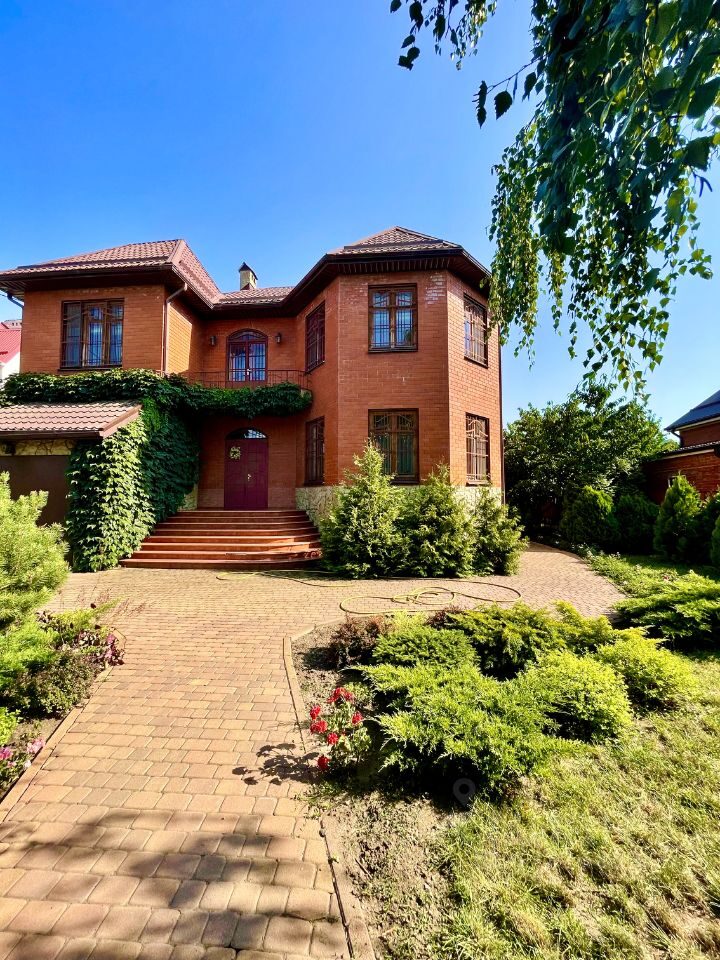
A Level 2 survey is the right choice for most conventional homes in reasonable condition. Choose it if the property is:
If the property is older, listed, timber-framed, thatched, has had major alterations, or shows signs of movement or serious disrepair, a Level 3 survey is the better choice. We will tell you plainly if we think you need one, and just as plainly if a Level 2 will do.

Every Level 2 survey includes a non-invasive inspection of all areas that are safe and reasonably accessible.
Walls, roofs, floors, ceilings, windows and doors are reviewed for condition and visible defects.
We check for signs of damp, cracking, settlement or movement that may need further investigation, and use moisture meter readings where appropriate.
A visual inspection of heating, plumbing and electrical installations, commenting on apparent age and general condition. We do not test them.
Photographs illustrate the defects we find, and the report sets out what to do about each one — repair, monitor, or investigate before exchange.
Boundaries, outbuildings, drainage and external features that affect the property.
Your report rates every element with a traffic-light condition rating, so you can see at a glance what matters.
Serious defects that need urgent attention or further investigation before you commit.
Defects needing repair or maintenance, but not urgent.
No repair currently needed; maintain in the normal way.
An element we could not inspect, with the reason and what to do about it.
Red ratings are the ones to read first. They are also the ones that most often support a renegotiation on price.
Across the surveys we carry out, the issues that come up most often are:
Does NOT Include
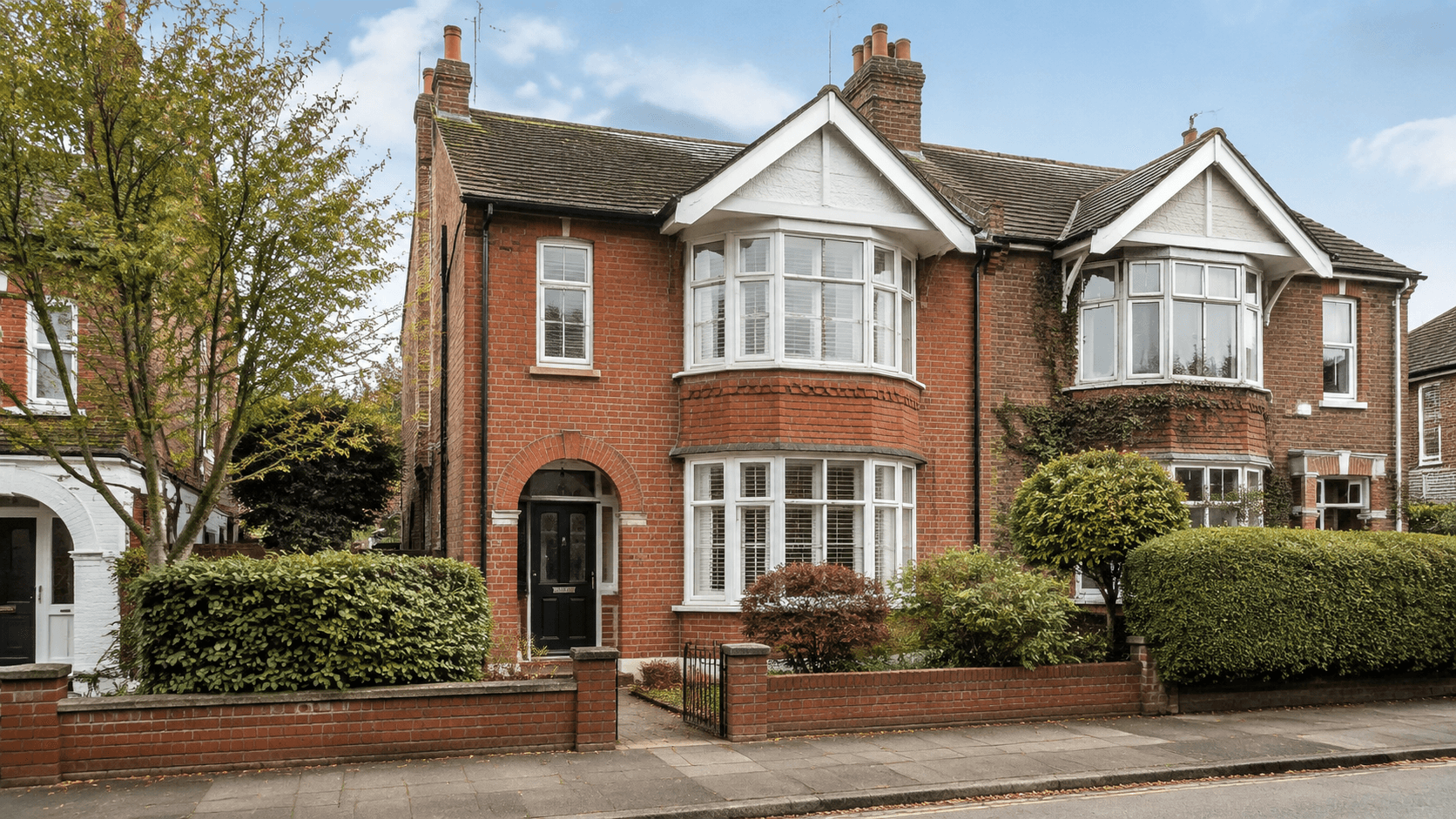
So expectations are clear from the outset, a Level 2 survey does not include:
Where something cannot be seen but the surrounding evidence suggests a risk, the report says so and recommends what to investigate before exchange.

The difference is depth. A Level 2 survey reports the condition of what can be seen. A Level 3 survey investigates how the building is put together, why defects have occurred and what repair involves.
| RICS Level 2 | RICS Level 3 | |
|---|---|---|
| Best for | Conventional homes in reasonable condition | Older, listed, altered or unusual properties |
| Inspection | Visual inspection of accessible areas | More thorough inspection, including the likely causes of defects |
| Depth | Condition, rated 1, 2 or 3 | Detailed advice on condition, construction and hidden risks |
| Repair advice | What needs attention and how urgently | What repair involves and, where agreed, estimated costs and timescales |
If you are buying a 1990s semi in good order, a Level 2 is almost always enough. If you are buying a Victorian terrace with a rear extension of uncertain age, choose a Level 3.
For a fuller comparison and a checklist, read our Level 2 vs Level 3 guide.

Survey vs mortgage valuation
No. A mortgage valuation is carried out for your lender, not for you. It confirms the property is adequate security for the loan. It is not a survey, it does not assess condition in any detail, and it carries no duty to tell you what is wrong with the building.
A Level 2 survey is instructed by you and written for you. It sets out the property’s condition, the defects found and what to do about them. Buyers who rely on the lender’s valuation alone routinely discover problems after completion that a survey would have found beforehand.
You can add an independent market valuation to your Level 2 survey. It is prepared by a surveyor registered under the RICS Valuer Registration scheme, for you rather than for a lender, and appears as its own section of your report.
It is worth adding when you suspect you are paying over the odds, when the property is unusual and hard to compare, or when the survey has found defects and you intend to renegotiate. A condition report tells you what is wrong; a valuation tells you what that is worth in the price.
The fee depends on the property and on the service you choose, including whether you add a market valuation. Tell us about the property and we will confirm a fixed fee before you commit.
A RICS Level 2 survey starts from £425, or from £575 with a market valuation added, for properties worth up to £300,000. All fees include VAT. See our house survey cost guide.
The inspection usually takes a few hours, depending on the size and condition of the property. We confirm the inspection date and when to expect your report at the point of booking. Arranging access with the agent is usually what sets the date, so it helps to book as soon as your offer is accepted.
Your report follows the RICS Home Survey format, with photographs throughout. It is set out in clear sections:
If anything in it is unclear, you can discuss it with us.
Last updated
For most buyers, yes. It tells you about defects before you are legally committed, and the findings can support a renegotiation on price. The exception is a new-build, where a snagging survey is the better fit.
Yes. It is commonly used for flats in purpose-built and modern developments. We inspect the flat itself and comment on the visible condition of the common parts and the building’s exterior where they can be seen.
A Level 2 survey is not usually the right product for a brand-new home. A snagging survey is, because it lists defects and unfinished work for the developer to put right before completion or before your warranty deadline passes.
Yes. Photographs illustrate the defects found and the areas of concern, so you can see exactly what the report is describing.
Many buyers do. A report setting out Condition Rating 3 defects and the work they imply is evidence, and evidence is what moves a negotiation. Adding a market valuation strengthens the position further.
Call us first. Your surveyor will explain what the defect means and how urgent it is. You can then get a quote or further investigation from a specialist, use the findings to renegotiate the price, ask the seller to put it right before exchange, or decide not to go ahead. Your solicitor will advise on the legal side.
You do. The survey is instructed by the buyer and written for the buyer. We arrange access with the agent or vendor directly once you have booked. More in our guide: who organises a home survey when buying a house.
Tell us about the property and we will confirm a fixed fee before you commit, with a surveyor you can talk the report through with afterwards.


