2015 Registered
Clear, reliable, independent property valuations
Need a property valuation? A RICS property valuation is an independent, evidence-based opinion of a home’s value, prepared by a qualified valuer for a defined purpose such as probate, divorce, shared ownership or tax. Unlike an estate agent’s appraisal, it sets out the basis of value, the valuation date, the assumptions made and the comparable evidence relied on.
Sterlingworth Surveyors is a RICS-regulated firm (Firm Registration Number 850747) based in Chessington. Our residential valuations are carried out by RICS Registered Valuers and, where the purpose falls within its scope, prepared in line with RICS Valuation – Global Standards (the Red Book).







The right valuation depends on why you need it and who will rely on it.
| Your purpose | The valuation you need | Usually relied on by |
|---|---|---|
| Repaying a Help to Buy equity loan, or selling or remortgaging a Help to Buy home | Help to Buy valuation | Homes England |
| Buying more shares in a shared ownership home (staircasing), or selling it | Shared ownership and staircasing valuation | Your housing association or landlord |
| Buying your council or housing association home | Right to Buy valuation | You, when deciding whether to question your landlord's valuation |
| Administering an estate, applying for probate or completing an inheritance tax return | Probate and inheritance tax valuation | Executors, solicitors and HMRC |
| Dividing property on divorce or separation | Matrimonial and divorce valuation, for one party or both jointly | Both parties, their solicitors, a mediator or the court |
| Extending the lease on a flat | Lease extension valuation | You and your solicitor, in negotiations with the landlord |
| Buying, funding or appraising a development site | Development and residual valuation | Developers, investors and lenders |
| Insuring a building for the cost of rebuilding it | Reinstatement cost assessment (not a market valuation) | You and your insurer |
| Company accounts or financial reporting | Accountancy valuation | Accountants and auditors |
| Capital gains tax, or an Annual Tax on Enveloped Dwellings (ATED) return | CGT or ATED valuation | You, your accountant and HMRC |
| Checking the price before you buy | Market valuation added to a RICS Level 2 survey or RICS Level 3 survey | You |
A reinstatement cost assessment is not a market valuation. It estimates the cost of rebuilding the property for insurance purposes, using BCIS rebuilding cost data, and that figure is not the same as what the property would sell for.
If your purpose is not listed, or more than one applies, tell us and we will recommend the right instruction before you commit. For offices, shops and other non-residential property, see our commercial property valuation service.
A Red Book valuation is a valuation prepared in line with RICS Valuation – Global Standards (the Red Book), the standards RICS sets for how its members carry out and report valuations. They cover the valuer’s competence and independence, the terms agreed at the start, the basis of value, the investigations made and what the report must contain.
Most written valuations by RICS members must follow the Red Book, although some limited types of work are exempt. We confirm in writing before you instruct us whether your valuation will be a Red Book valuation. You can read more about the Red Book on the RICS website. Our guide explains what a Red Book valuation is and when you need one.
Most residential valuations report Market Value: broadly, the price the property would be expected to achieve on the valuation date between a willing buyer and a willing seller, after proper marketing. Some purposes, such as inheritance tax, use a basis of value set by law. Your report states which basis applies and why.
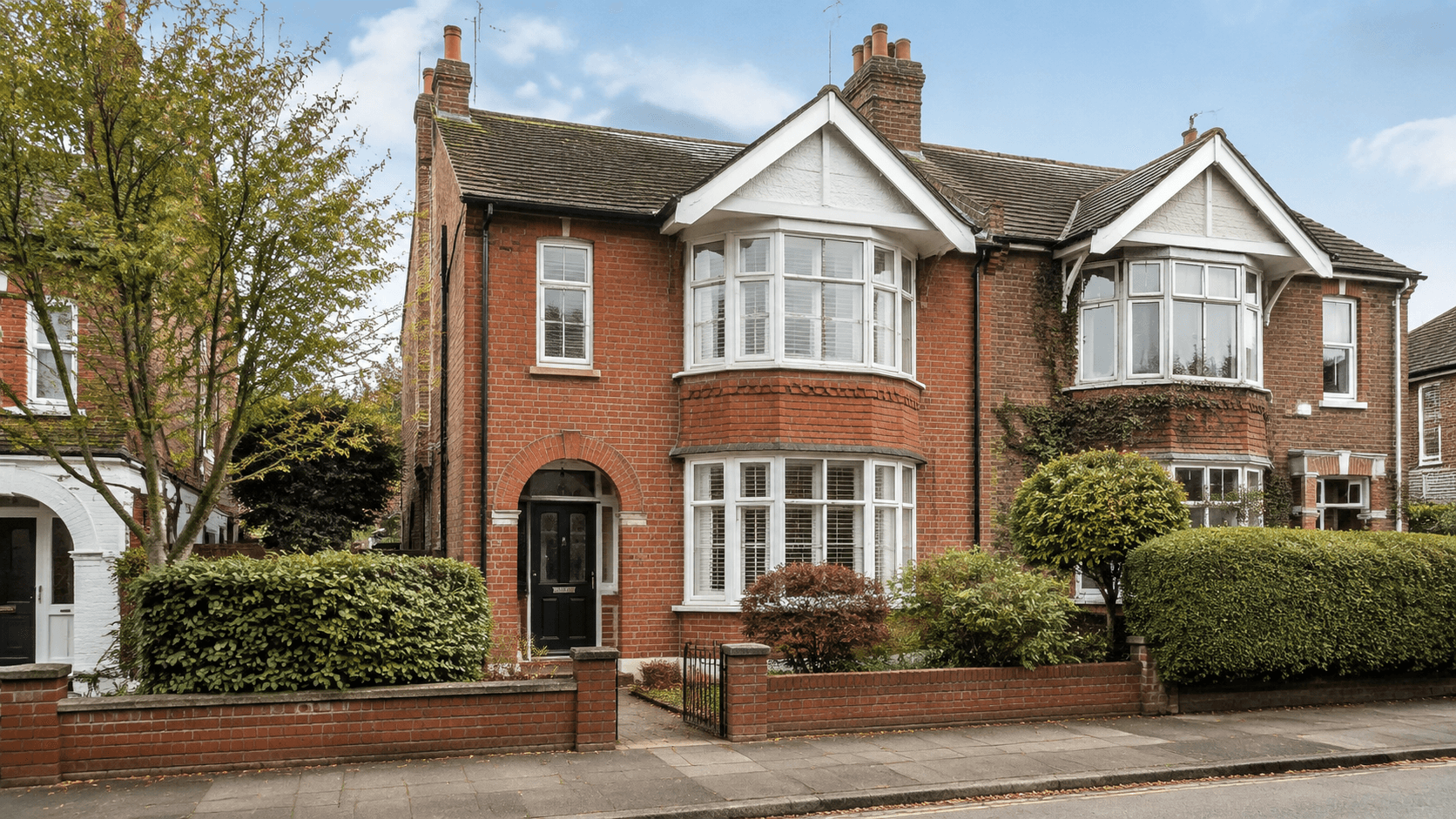
An independent RICS valuation is written for you, for a stated purpose, and is backed by evidence. An estate agent’s appraisal suggests an asking price for marketing the property. A mortgage valuation is carried out for your lender, to check the property is adequate security for the loan. Only an independent valuation is written for you to rely on for a legal, tax or scheme purpose.
| Prepared for | What it tells you | For formal purposes? | |
|---|---|---|---|
| Independent RICS valuation | You, or both parties if jointly instructed | Value on a stated basis and date, with the evidence | Yes, for the purpose stated in the report |
| Estate agent appraisal | The seller | A suggested asking price | Not normally |
| Mortgage valuation | Your lender | Whether the property is adequate security for the loan | No, it is prepared for your lender |
| Online estimate | Anyone | An automated indication from sales data | No |
| Level 2 or Level 3 survey | You, as the buyer | Condition and defects, not value unless a valuation is added | Not for value |
Where the figure will be relied on for a financial, legal or tax decision, an independent valuation looks at the individual property and the evidence behind its value. If you are buying and need advice on condition, see our residential surveys. Not sure which you need? Read survey or valuation: which do you need?
Every valuation starts with its purpose, because that decides the basis of value, the valuation date and who can rely on the report.
Some valuations are needed at a past date, such as the date of death for probate, or the date a property was acquired for capital gains tax. These retrospective valuations rely on market evidence from that time.

Usually, yes. Most valuations for legal, tax or scheme purposes are based on an inspection, and some schemes and organisations require one. Whether a valuation without an inspection could be suitable depends on the purpose, the property and who will rely on the report, so we will advise before you instruct us rather than assume.
Reviewed by Folke Pope MRICS, Registered Valuer (RICS number 1124247)
Last reviewed
A valuation gives an opinion of value at a specific date, so it has no fixed expiry. How long it can be relied on depends on its purpose and on how much the market or the property has changed since. Some schemes and organisations set their own time limits, so check what the organisation relying on your report requires.
No. A valuation gives an opinion of what a property is worth, for a stated purpose. A survey assesses its condition and defects. A valuation is not a structural assessment, so if you need advice on repairs you need a survey. If you are buying, a market valuation can be added to a Level 2 or Level 3 survey.
Usually not for a formal purpose. A mortgage valuation is written for the lender, and an agent’s appraisal is a marketing opinion. Probate, divorce, tax and scheme purposes normally need an independent valuation, prepared on the right basis and date, that the person or organisation relying on it is entitled to use.
Tell us every purpose at the outset. A report is prepared for a stated purpose, basis of value and date, and for named parties to rely on, so a valuation for staircasing may not suit an inheritance tax return, for example. We confirm what the report can and cannot be used for before you instruct us.
Usually the property address, tenure, the reason for the valuation and any deadline. Floor plans, details of alterations, lease details and relevant legal documents also help. We will confirm exactly what we need for your purpose.
The fee depends on the property and on the valuation you need, including its purpose and the report required. Tell us about the property and why you need the valuation, and we will confirm a fixed fee before you instruct us.
A RICS Red Book valuation starts from £275 for properties worth up to £400,000. All fees include VAT.
Tell us about the property and why you need the valuation. We will recommend the right type of valuation, confirm the information we need and give you a fixed fee before you instruct us.


