
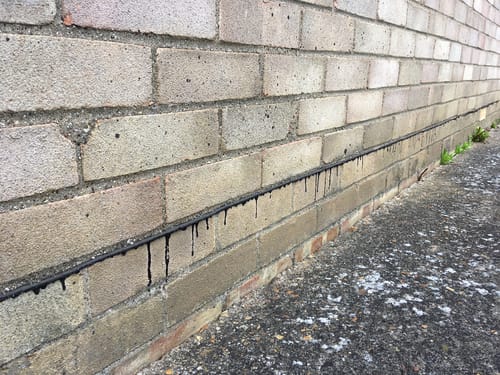
When it comes to protecting a property’s value and ensuring its structural integrity, damp proofing is a cornerstone of effective maintenance. At Sterlingworth Surveyors, our property surveyors frequently encounter cases where damp issues have caused extensive damage—often due to a failed or missing damp proof course (DPC). In older homes an RICS Level 3 survey looks at damp in more depth. But what exactly is a DPC, and how can you identify it during a property survey?
This guide will help you understand the types of DPCs and offer practical advice on how to spot them during property assessments.
What is a Damp Proof Course?
A damp proof course is a barrier or layer designed to prevent moisture from rising through a building’s walls or floors. Rising damp is a common issue that, if left unchecked, can lead to structural damage, unsightly mould, and even health risks for occupants.
Whether you’re inspecting your own property or considering purchasing a new one, recognising the different types of DPCs is essential for identifying potential damp problems.
Types of Damp Proof Courses
1. Physical Damp Proof Courses
What Are They? Physical DPCs are the most common method and involve a physical layer—typically made of materials like bitumen, plastic, or slate—installed at least 150mm above ground level to block moisture. These are integral to the construction of most buildings.
How to Spot Them:
- Examine the base of external walls for a thin horizontal line where the DPC is installed.
- Older buildings may feature slate layers embedded in the mortar.
- Use a moisture meter to confirm the presence and effectiveness of the DPC, especially in areas where the wall is rendered or plastered.
2. Chemical Damp Proof Courses
What Are They? Chemical DPCs are a modern retrofit solution for properties without a physical barrier or where the existing one has failed. They involve injecting a damp-proofing fluid into the wall to create a water-resistant layer.
How to Spot Them:
- Look for evenly spaced drill holes (10–12mm in diameter) near the wall’s base, which are patched after the injection process.
- Recently treated walls may show fresh mortar repairs.
- A moisture meter can help identify areas where rising damp persists despite treatment.
3. Damp-Proof Membranes (Solid Floors)
What Are They? A damp-proof membrane (DPM) is a sheet laid within a solid floor to stop ground moisture rising. It should link to the wall DPC. These are often used in basements or extensions in conjunction with other damp proofing measures.
How to Spot Them:
- Check property plans or survey reports for details of membrane installations.
- Look for signs of damp ingress around floor edges, which could indicate poor installation.
- Consider professional inspection tools to confirm the membrane’s presence.
4. Electro-Osmotic Damp Proof Courses
What Are They? This niche method uses electrical currents to repel water molecules, preventing rising damp. It is sometimes used where other methods are unsuitable.
How to Spot Them:
- Look for thin wires or anodes set into the mortar joints near the base of the wall.
- These systems may be discreet, requiring a professional surveyor to confirm their existence.
Why Spotting DPCs is Crucial During Property Surveys
Identifying the type and condition of a DPC can provide critical insights into a property’s overall health. Indicators of damp-related issues include:
- Peeling paint or wallpaper.
- Crumbling plaster near skirting boards.
- Tide marks or discolouration on walls.
A thorough inspection can save property owners from costly repairs down the line.
Sterlingworth Surveyors: Your Partner in Property Surveys
While there are ways to identify DPCs yourself, professional property surveys offer a deeper level of insight. At Sterlingworth Surveyors, our surveyors assess damp-related issues and explain what they find, so you receive clear and actionable advice.
If you’re concerned about damp in your property or need guidance on damp proof courses, get in touch with us today to arrange a professional survey. Protect your property investment with confidence.
Contact Sterlingworth Surveyors now to safeguard your property from damp-related issues. Your peace of mind is just a call away.
Further reading: Does damp reduce house value?