
A party wall surveyor helps building owners and adjoining owners when proposed building work falls under the Party Wall etc. Act 1996. That can include serving or responding to a party wall notice, recording the condition of the neighbouring property in a schedule of condition and, where a dispute arises, making a Party Wall Award that sets out how and when the work may be carried out.
Sterlingworth Surveyors is a RICS-regulated firm (Firm Registration Number 850747) based in Chessington. We act for building owners planning work and for adjoining owners who have received a notice. The Act applies in England and Wales. Our advice is surveying advice, not legal advice; where a point of law arises, we will recommend you speak to a solicitor.








You are likely to need a party wall surveyor if you plan work covered by the Party Wall etc. Act 1996 and your neighbour does not consent in writing, or if you have received a notice about such work next door. The Act covers three broad types of work:
for example, cutting into it to take the ends of beams for a loft conversion, removing a chimney breast attached to it, raising it or underpinning it.
a new wall on or up to the boundary between two properties.
digging foundations or a basement within 3 or 6 metres of it, depending on the depth of the excavation (explained below).
Minor work, such as replastering, is not usually covered. The Act is separate from planning permission and building regulations.
For a homeowner’s view of how these rules can affect a project, read our guide to party wall issues before you extend.
If you are planning an extension, loft conversion, basement or other work to a shared wall or near a boundary, we help you meet the Act’s requirements. Notice periods must run before work starts, so speak to a surveyor well before your builder’s start date.

If your neighbour has served a party wall notice on you, you have 14 days from the date the notice was served to respond. You can consent in writing or dissent. For a party structure notice or adjacent excavation notice, if you dissent, or do not respond within 14 days (which counts as a dissent), a dispute is deemed to have arisen and surveyors are appointed to settle it. If you receive a party structure notice, you can also serve a counter notice asking for additional work to be included.

A party wall notice is the formal written notice a building owner serves on each adjoining owner before starting work covered by the Act. It must be served at least two months before work to an existing party wall or structure, and at least one month before a new boundary wall or excavation.
| Notice | Typical work | Minimum notice | If the neighbour does not consent within 14 days |
|---|---|---|---|
| Party structure notice | Cutting into, raising, underpinning or repairing a party wall; removing a chimney breast attached to it | At least two months | A dispute is deemed to have arisen |
| Line of junction notice | Building a new wall on or up to the boundary | At least one month | A new wall cannot be built astride the boundary; it must be built wholly on the building owner's land |
| Adjacent excavation notice | Excavating for foundations or a basement near a neighbouring building | At least one month | A dispute is deemed to have arisen |
An adjacent excavation notice is needed if you plan to excavate within 3 metres of a neighbouring building or structure and to a lower level than the bottom of its foundations, or within 6 metres where the excavation would meet a plane drawn downwards at 45 degrees from the bottom of those foundations.
With the written consent of the adjoining owners and occupiers, work under a party structure notice can start before the notice period ends. You can read the Party Wall etc. Act 1996 in full, and the government’s explanatory booklet on the Party Wall etc. Act.
The dispute is settled by surveyors under section 10 of the Act:
Whoever appoints them, surveyors under the Act must act impartially, not simply argue for one side.
If an owner refuses to appoint a surveyor, or does not do so within 10 days beginning with the day a request is served on them, section 10(4) allows the other owner to appoint a surveyor on their behalf. The process can then continue to an Award.
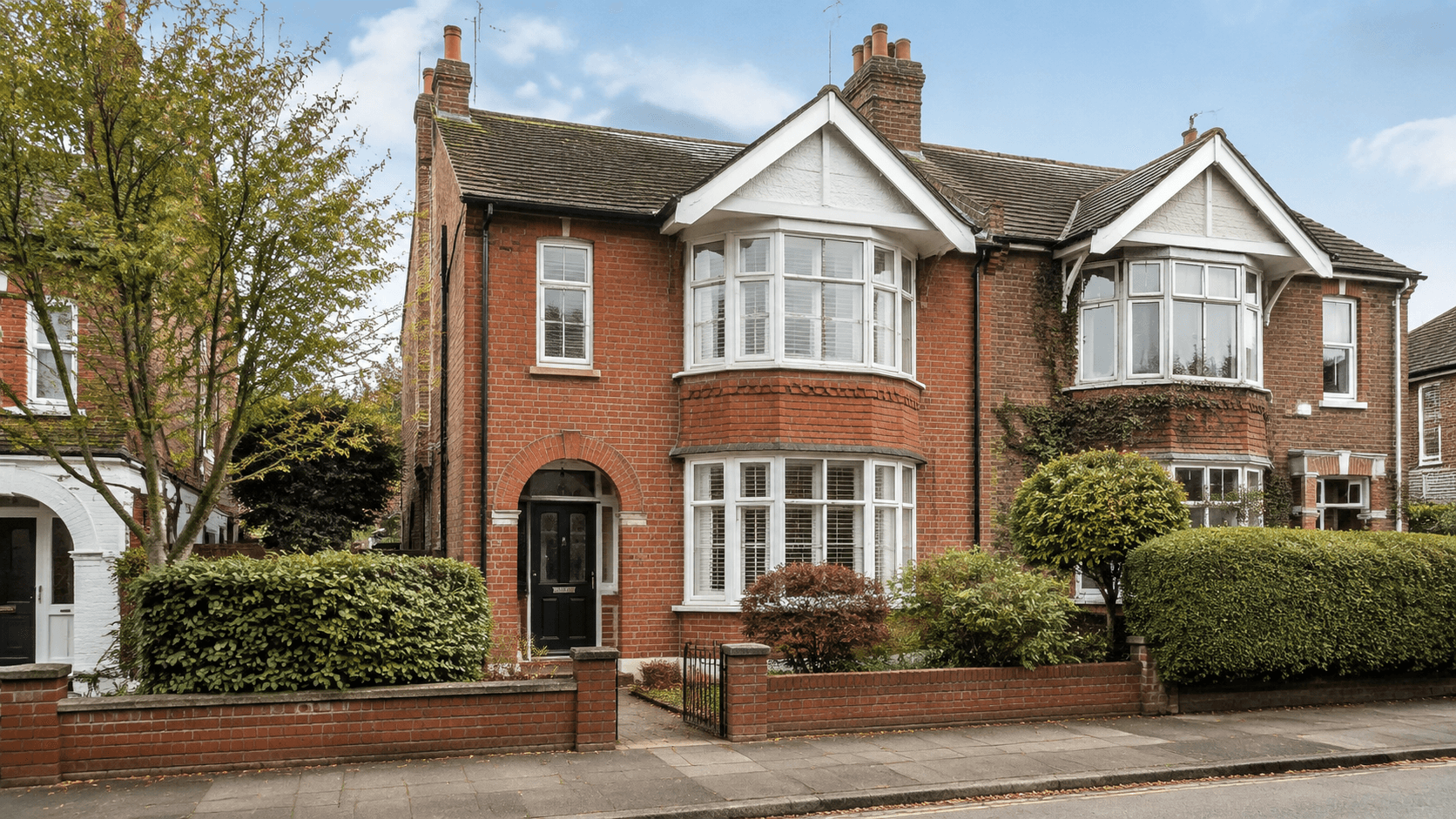
A schedule of condition is a written and photographic record of the adjoining owner’s property, made before work begins. If damage is alleged later, it shows what was already there, which protects both owners. The Act does not require one, but it is often included with the Award and is worth having even when a neighbour consents.

A Party Wall Award is the document the surveyor or surveyors make to settle a dispute under the Act. It can set out the right to carry out the work, how and when it is done, and other matters arising from the dispute, including who pays the costs. It often includes drawings and a record of the condition of the neighbouring property. Where a dispute has arisen, the notified work should not start until the Award has been served. Read our step-by-step guide to party wall awards.
Either owner can appeal to the county court within 14 days, beginning with the day the Award is served on them. If there is no appeal, the Award is binding on both owners. If you are considering an appeal, take legal advice promptly.
An adjoining owner can serve a notice asking the building owner to provide security before the work begins. If the owners cannot agree the amount, the surveyors decide it. In some circumstances a building owner can ask for security in return.

On each adjoining owner, allowing the minimum notice periods.
The adjoining owner consents in writing or dissents within 14 days.
If a dispute arises: an agreed surveyor, or two surveyors and a third surveyor.
The neighbouring property is recorded.
On both owners.
Work goes ahead in line with the Award; any reported damage is checked against the schedule of condition.
Party wall surveyor fees start from £200 plus VAT. This is a starting price only: the actual fee depends on the work proposed, how many neighbours are involved, whether one agreed surveyor or two surveyors are appointed and how complex the matter is, and we confirm it before you instruct us.
Our party wall surveyor cost guide explains who pays and what affects the fee.
Reviewed by Mirza Taimuri AssocRICS, Registered Valuer (RICS number 5607182)
Last reviewed
Not necessarily. You still need to serve the correct notice, but if your neighbour consents to it in writing, no dispute arises and the Act does not require surveyors to be appointed. A schedule of condition is still sensible, so that you both have a record if damage is alleged later.
The surveyors decide in the Award who pays the reasonable costs. Because the work is for the building owner’s benefit, the building owner normally pays the reasonable costs of both owners’ surveyors. This is not automatic in every case, for example where work is needed because of a defect or lack of repair, when the adjoining owner may have to pay a share.
Your neighbour cannot simply block work the Act allows. They can dissent from the notice, or not respond, and the dispute is then settled by surveyors through a Party Wall Award. Some proposals do need the neighbour’s consent, such as building a new wall astride the boundary.
At least two months before work to an existing party wall or structure, and at least one month before building a new boundary wall or excavating near a neighbouring building. Serving earlier is wise: if a dispute arises, the Award must also be made before work starts.
Where a dispute has arisen, work covered by the notice should wait until the Award has been served. Starting early risks the adjoining owner seeking a court injunction to stop the work. If your neighbour consents in writing, no Award is needed and work can start once the notice period ends, or sooner if they agree.
Not quite. People use “party wall agreement” for either a neighbour’s written consent or a Party Wall Award. Written consent means no dispute has arisen. An Award is made by surveyors after a dispute, including a deemed one, and is binding unless appealed within 14 days.
Yes. If both owners agree, a single agreed surveyor can deal with the matter for both, acting impartially. If the adjoining owner prefers their own surveyor, each owner appoints one and the two select a third surveyor.
Whether you are about to serve a notice or have just received one, early advice helps. Tell us about the property and the work, and we will confirm the scope and the fee before you instruct us. You can also see all our residential surveys.


